Kuldhara Village Jaisalmer: History, Legends and Travel Guide

Patwon Ki Haveli Jaisalmer: History, Architecture, Timings and Entry Fee
October 20, 2026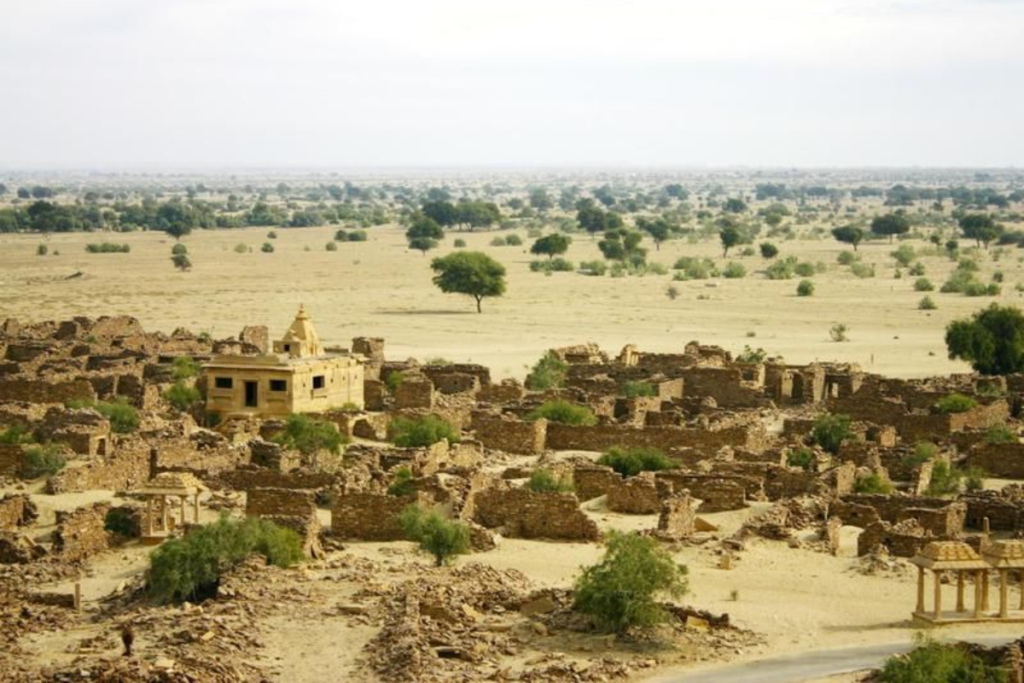
Kuldhara is a historic abandoned settlement near Jaisalmer, Rajasthan, known for its ruined houses, traditional architecture, and mysterious past. Surrounded by the desert landscape of western Rajasthan, this village attracts travellers interested in history, heritage, photography, and local folklore. Its silent streets and remains of old buildings offer a glimpse into the lifestyle of communities that once lived in this region. Exploring Kuldhara Village Jaisalmer provides an opportunity to discover an unusual destination beyond the city’s famous fort, havelis, and sand dunes.
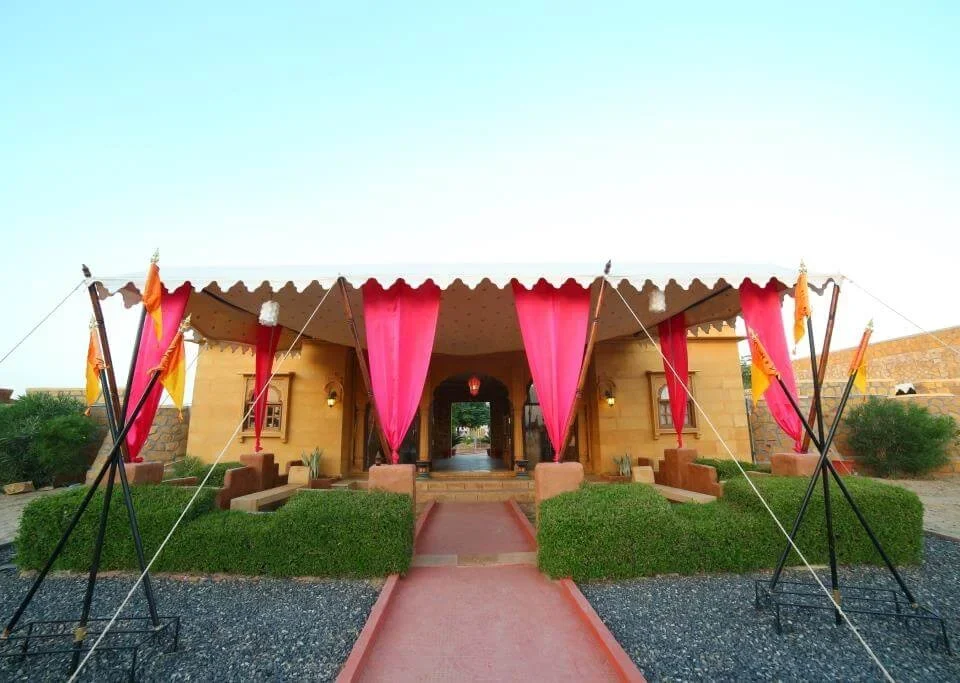
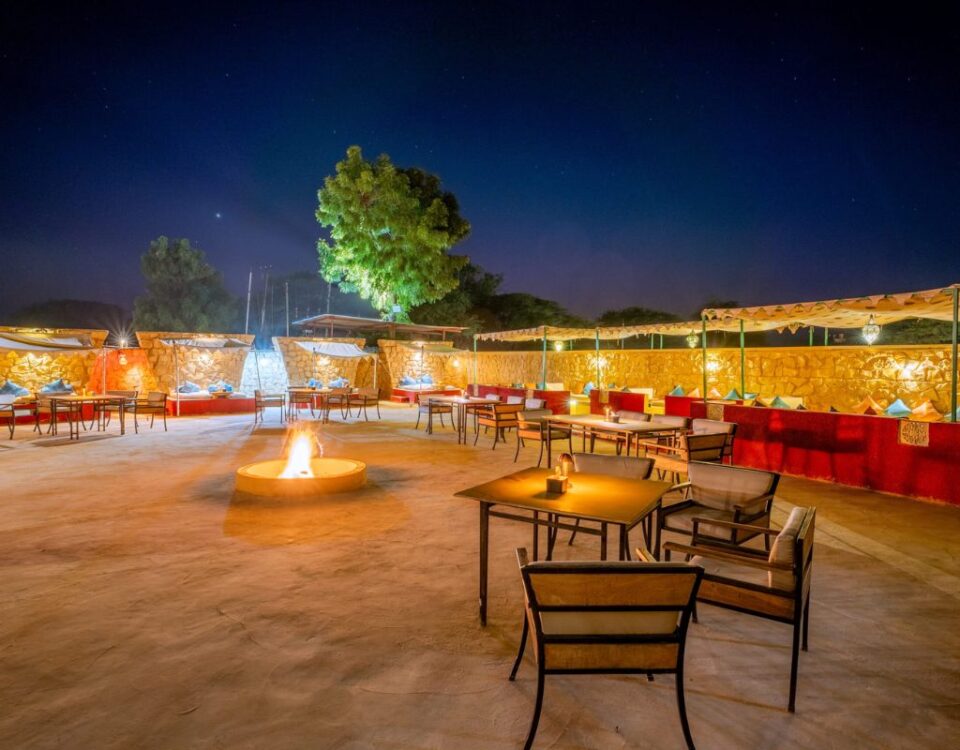
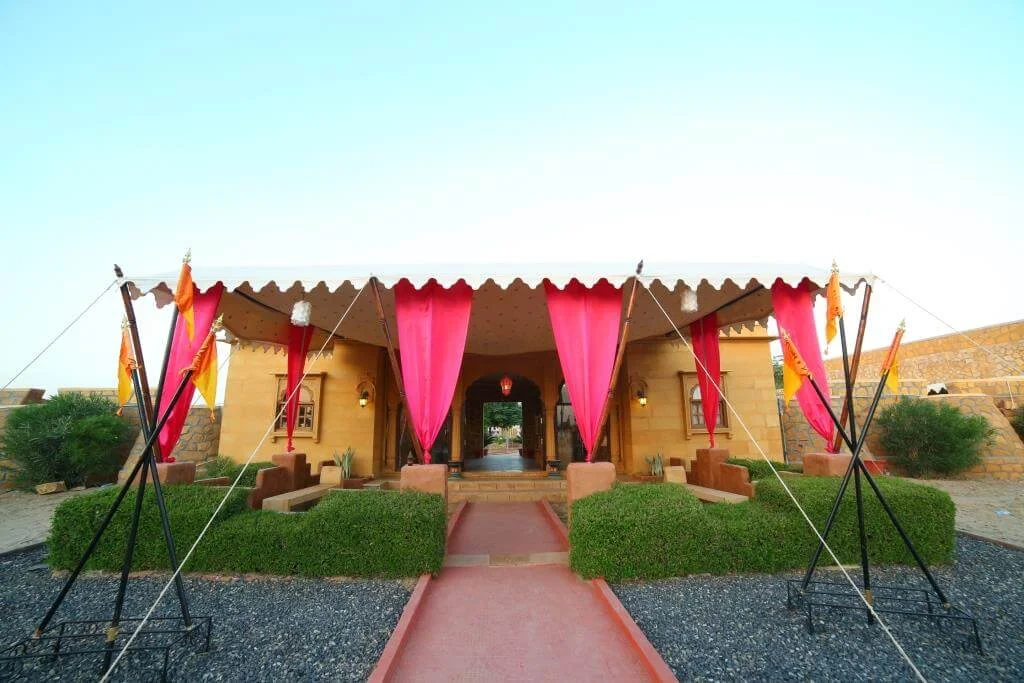
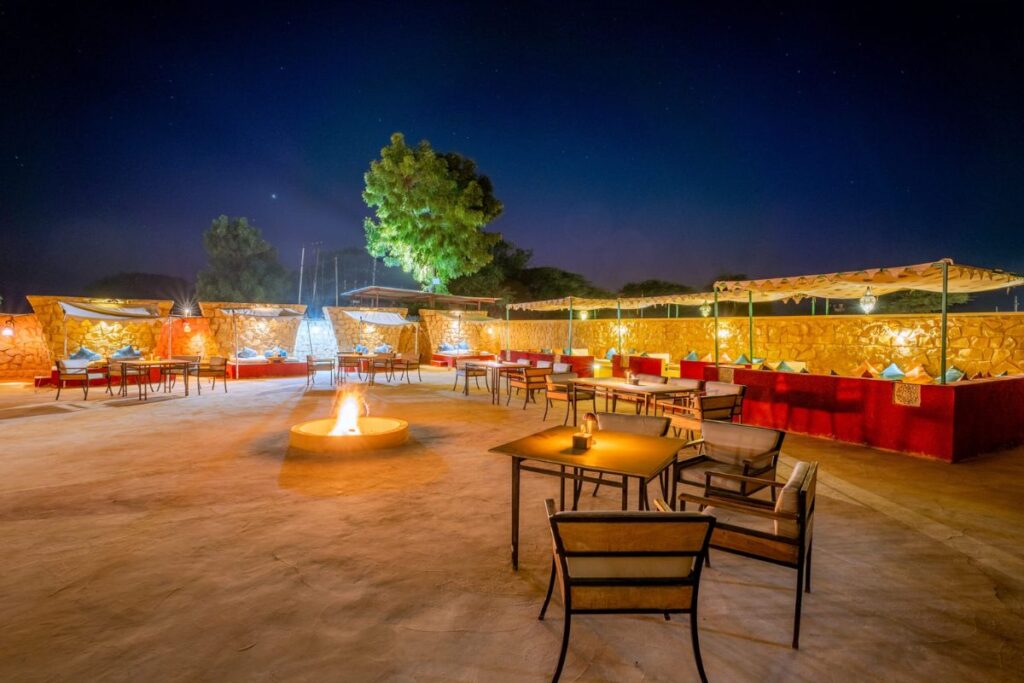
Whether you are planning a short sightseeing trip or exploring Rajasthan’s historical places, Kuldhara deserves consideration. After exploring the village, travellers can extend their desert adventure by staying at the Best Desert Camp in Jaisalmer, where they can experience traditional Rajasthani hospitality, cultural performances, camel rides, and the beautiful sunset views of the Thar Desert. Understanding Kuldhara’s history, learning about its legends, and planning your visit in advance can make the experience more informative and enjoyable.
History of Kuldhara Village
The History of Kuldhara Village is closely associated with the Paliwal Brahmins, a community traditionally connected with agriculture, trade, and water management in the desert region. Historical accounts and local traditions describe Kuldhara as a settlement that once supported a thriving community despite the area’s challenging climate.
The village’s remains include stone houses, narrow lanes, and structures that reflect traditional desert construction. These buildings demonstrate how residents adapted their homes to local conditions and made use of the materials available in the region.
Kuldhara is also connected with stories about the sudden departure of its residents. According to popular accounts, the villagers left the settlement along with people from neighbouring villages. However, the exact circumstances and timeline of this departure are not fully established by reliable historical evidence.
Today, the ruins provide an important opportunity to learn about traditional settlement patterns and life in Rajasthan’s desert communities. Visitors interested in heritage tourism can explore the remaining structures while learning about the area’s cultural background.
Why Is Kuldhara an Abandoned Village?
The Kuldhara Abandoned Village is widely discussed because of the mystery surrounding its deserted appearance. Several explanations have been suggested for why its residents may have left, including difficult living conditions, water scarcity, economic pressures, and stories involving local rulers.
One popular legend claims that a powerful minister wanted to marry the daughter of a village leader and threatened the community when his wishes were rejected. According to the story, the villagers left overnight and placed a curse on anyone who attempted to settle there again.
Although this tale has become an important part of Kuldhara’s identity, it should be understood as local folklore rather than a confirmed historical explanation. The precise reasons for the settlement’s abandonment remain uncertain.
The desert environment provides useful context for understanding the challenges faced by earlier communities. Water availability, agricultural conditions, trade routes, and changing economic circumstances could all have influenced settlement patterns in the region.
Walking through the ruins allows visitors to imagine the scale of the former settlement and appreciate how dramatically the landscape has changed over time.
The Haunted Story of Kuldhara Village
The Kuldhara Village Haunted Story is one of the main reasons the destination has gained attention among curious travellers. Local legends describe unusual experiences, mysterious sounds, and supernatural activity associated with the abandoned settlement.
Stories about the village’s curse have circulated for generations, contributing to its reputation as a mysterious place. These accounts have also inspired travel features, documentaries, and discussions about Rajasthan’s unusual destinations.
However, there is no reliable scientific evidence establishing that the village is haunted. The stories are best approached as part of the region’s folklore and cultural storytelling traditions.
The atmosphere of the settlement can nevertheless feel unusual, particularly when visitors encounter its quiet lanes, empty structures, and wide desert surroundings. The contrast between the village’s historical remains and its present condition makes it an interesting destination for photography and exploration.
Visitors should respect the site’s heritage, avoid damaging old structures, and follow any local restrictions. Exploring the village during permitted visiting hours is preferable to wandering around unfamiliar areas after dark.
Architecture and Major Attractions in Kuldhara
One of the most interesting aspects of Kuldhara is its traditional sandstone architecture. The remains of houses, courtyards, and streets reflect the building techniques used in Rajasthan’s desert settlements.
Many structures have deteriorated over time, but their surviving walls and foundations still offer clues about the village’s original layout. The arrangement of buildings also helps visitors imagine how people once lived, worked, and interacted within the community.
Traditional Houses and Ruins
The old houses are among the settlement’s most noticeable features. Their stone construction reflects the use of locally available materials and practical approaches to building in a dry climate.
Visitors can observe the remains of doorways, walls, and residential spaces. These features provide opportunities for architectural photography and heritage observation.
Village Streets and Courtyards
Walking through the remaining lanes gives visitors a better understanding of the settlement’s layout. The quiet surroundings and partially preserved structures create a distinctive atmosphere.
When exploring, remain on permitted paths and avoid climbing unstable walls or entering unsafe buildings.
Desert Landscape
The surrounding landscape adds to the village’s visual appeal. The dry terrain, open skies, and scattered vegetation create an authentic desert setting that contrasts with the busy streets of Jaisalmer.
Photography enthusiasts may find the changing light throughout the day especially interesting.
Places to Visit Near Kuldhara Village
Travellers can combine their visit with several attractions around Jaisalmer to make the most of their Rajasthan itinerary. Exploring nearby destinations provides a balance of history, architecture, desert experiences, and cultural activities.
Some popular Places to Visit Near Kuldhara Village include:
1. Jaisalmer Fort: Also known as Sonar Quila, this famous sandstone fort contains historic streets, temples, shops, and residential buildings. It is one of the region’s most important heritage attractions.
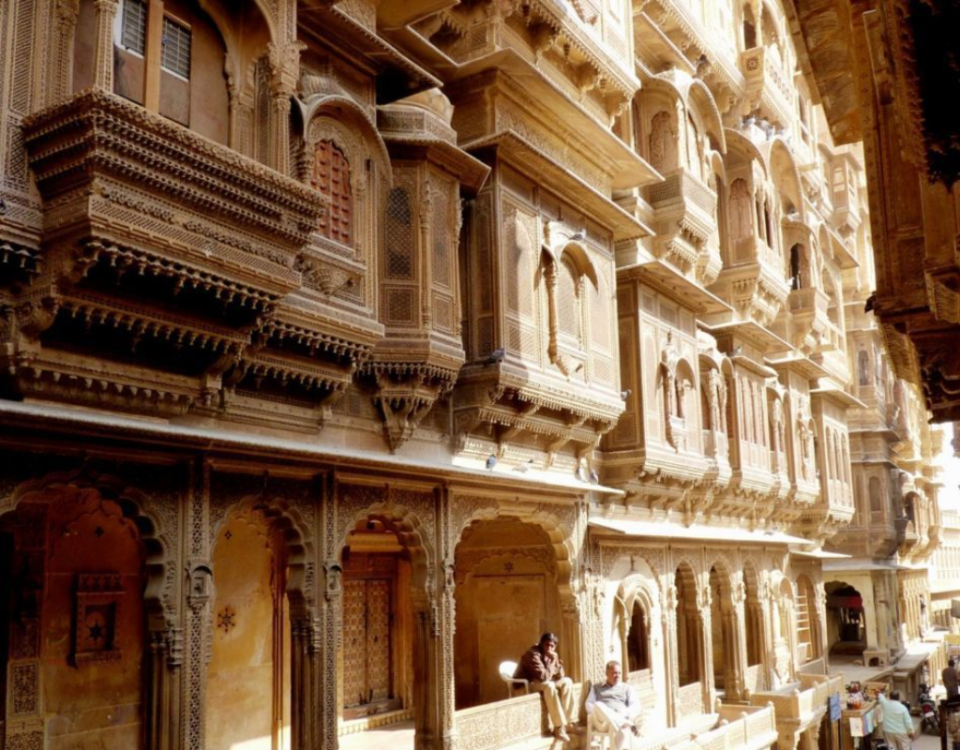
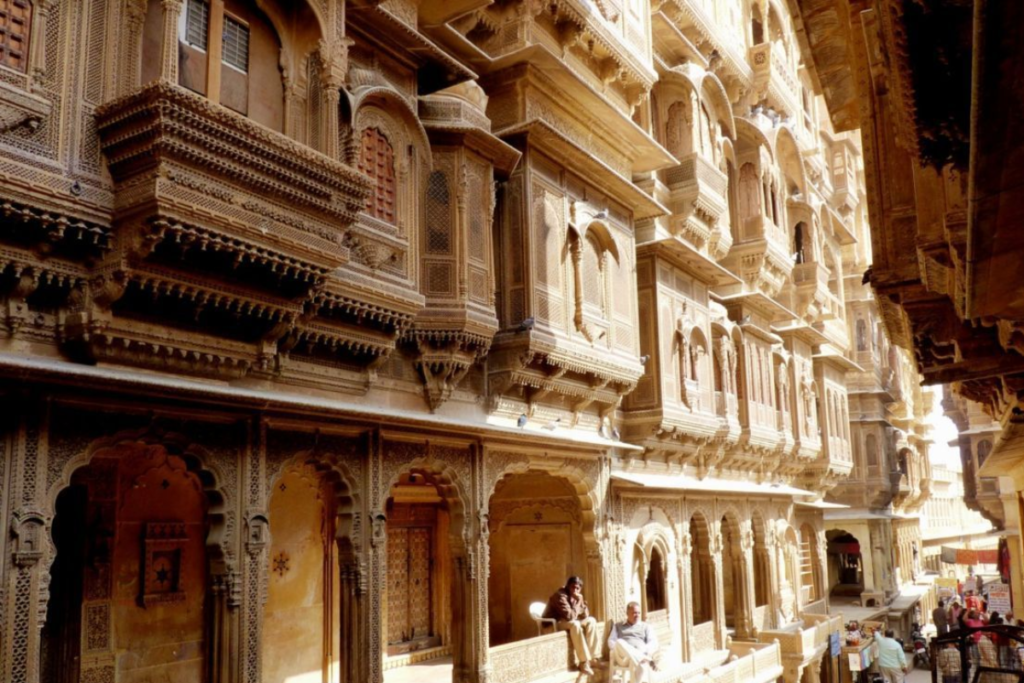
2. Patwon Ki Haveli: This historic haveli complex is admired for its intricate sandstone carvings, decorative balconies, and traditional architectural details.
3. Sam Sand Dunes: Located outside the city, Sam Sand Dunes is popular for camel rides, jeep safaris, sunset views, and desert camping experiences.
4. Gadisar Lake: This historic lake offers scenic surroundings and opportunities for photography and peaceful sightseeing.
5. Bada Bagh: Known for its royal cenotaphs, Bada Bagh is an appealing destination for visitors interested in heritage architecture and desert scenery.
The distances and travel times between these attractions vary. Check current road conditions and opening information before planning your route.
Best Time to Visit Kuldhara Village
The best period to explore Kuldhara Village Jaisalmer is generally from October to March, when daytime temperatures are often more comfortable for outdoor sightseeing.
During the winter months, visitors can explore the ruins without the intense daytime heat that characterises much of the summer season. Mornings and late afternoons may be particularly pleasant for walking and photography.
Summer temperatures in western Rajasthan can become extremely high. If you visit during warmer months, carry sufficient drinking water, wear comfortable clothing, use sun protection, and avoid prolonged exposure to the midday sun.
Before travelling, confirm the current opening hours, entry requirements, and any restrictions that may affect your visit. Weather conditions can also influence the comfort of outdoor activities.
How to Reach Kuldhara Village
Kuldhara is located approximately 18 kilometres from Jaisalmer city, although the exact distance and travel time depend on your starting point and route.
By Road
Travelling by road is a convenient way to reach the village. Visitors can hire a taxi, book a private cab, or arrange local transport from Jaisalmer.
A private vehicle can also make it easier to combine Kuldhara with other nearby attractions in a single day.
By Train
Jaisalmer Railway Station connects the city with selected destinations in Rajasthan and other parts of India. From the railway station, visitors can arrange a taxi or other local transport to reach Kuldhara.
By Air
Jaisalmer Airport has limited flight availability, which can vary by season. Another option is to check flights to Jodhpur and continue the journey to Jaisalmer by road or rail.
Travel Tips
- Carry drinking water, particularly during warmer weather.
- Wear comfortable walking shoes for exploring uneven ground.
- Check entry timings before leaving Jaisalmer.
- Respect local rules and protect the historic structures.
- Plan additional time if you intend to visit several nearby attractions.
- Avoid entering damaged buildings or restricted areas.
Conclusion
Kuldhara offers a distinctive opportunity to explore Rajasthan’s desert heritage, traditional architecture, and fascinating local legends. Its abandoned houses, quiet streets, and mysterious reputation make it different from the more crowded attractions around Jaisalmer.
Learning about the village’s past helps visitors appreciate the challenges faced by earlier communities and understand the importance of preserving historical settlements. After exploring this historic destination, travellers can consider Desert Camp Packages in Jaisalmer to enjoy a memorable desert experience featuring camel rides, cultural performances, traditional Rajasthani cuisine, and scenic sunset views.
Whether you are interested in history, photography, architecture, or unusual travel destinations, Kuldhara can be a rewarding addition to your Jaisalmer itinerary. Plan your visit during comfortable weather, follow local guidelines, and take time to appreciate the cultural and historical significance of this remarkable desert settlement.