Patwon Ki Haveli Jaisalmer: History, Architecture, Timings and Entry Fee

Top Desert Adventures to Experience in Jaisalmer
October 10, 2026
Kuldhara Village Jaisalmer: History, Legends and Travel Guide
October 21, 2026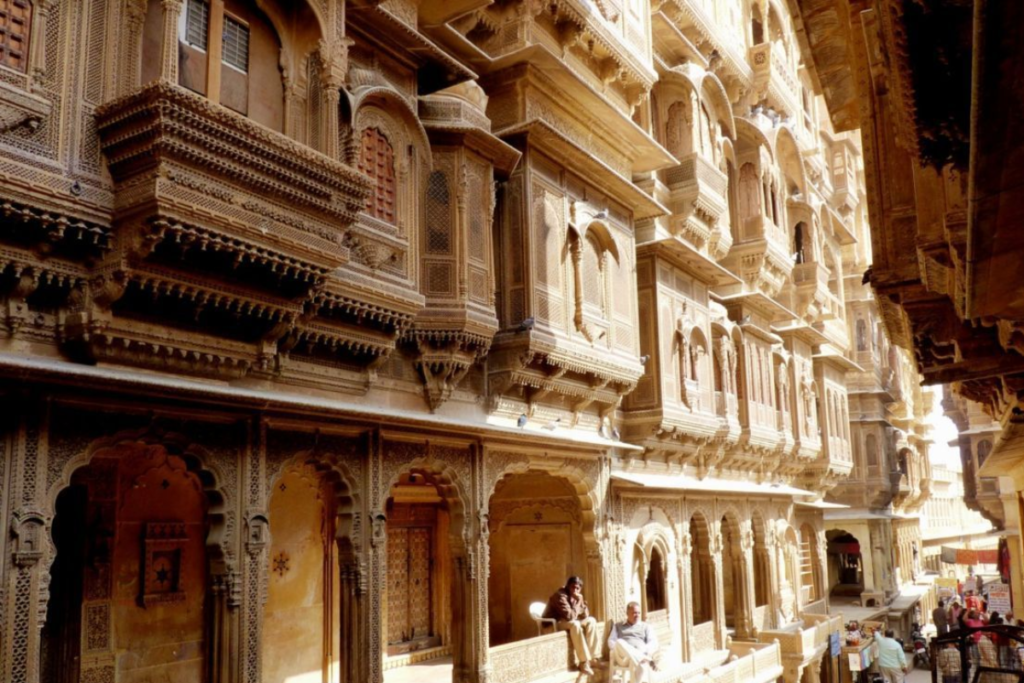
Jaisalmer, popularly known as the Golden City of Rajasthan, is famous for its golden sandstone buildings, historic forts, traditional markets, and beautiful desert landscapes. Among its most remarkable heritage attractions, Patwon Ki Haveli Jaisalmer stands out for its detailed stone carvings, elegant balconies, and rich merchant history. This architectural landmark offers visitors an opportunity to explore the lifestyle, craftsmanship, and cultural traditions of old Rajasthan.
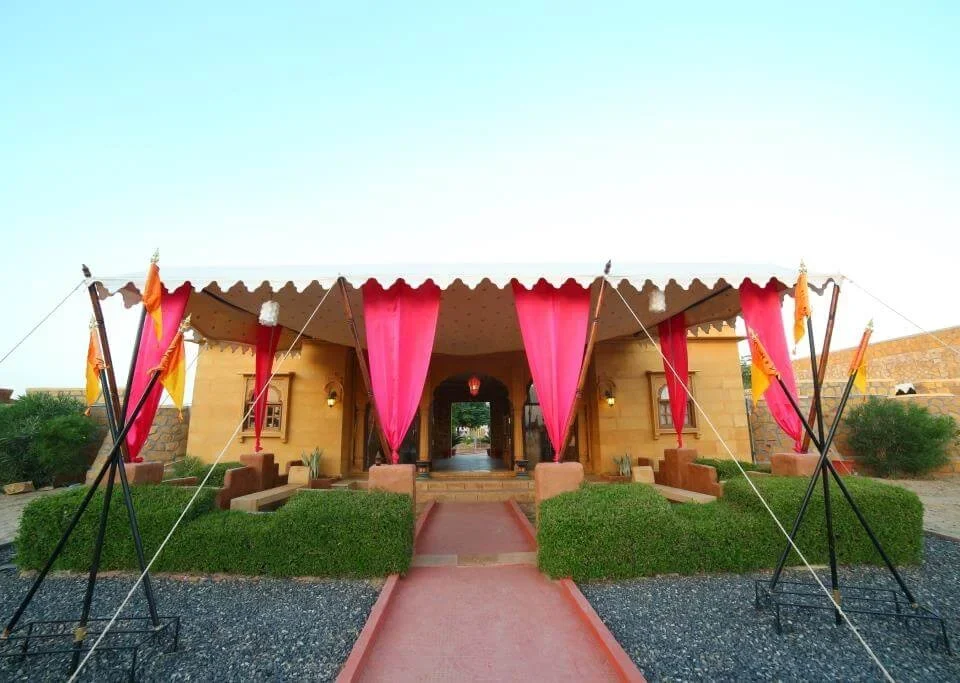
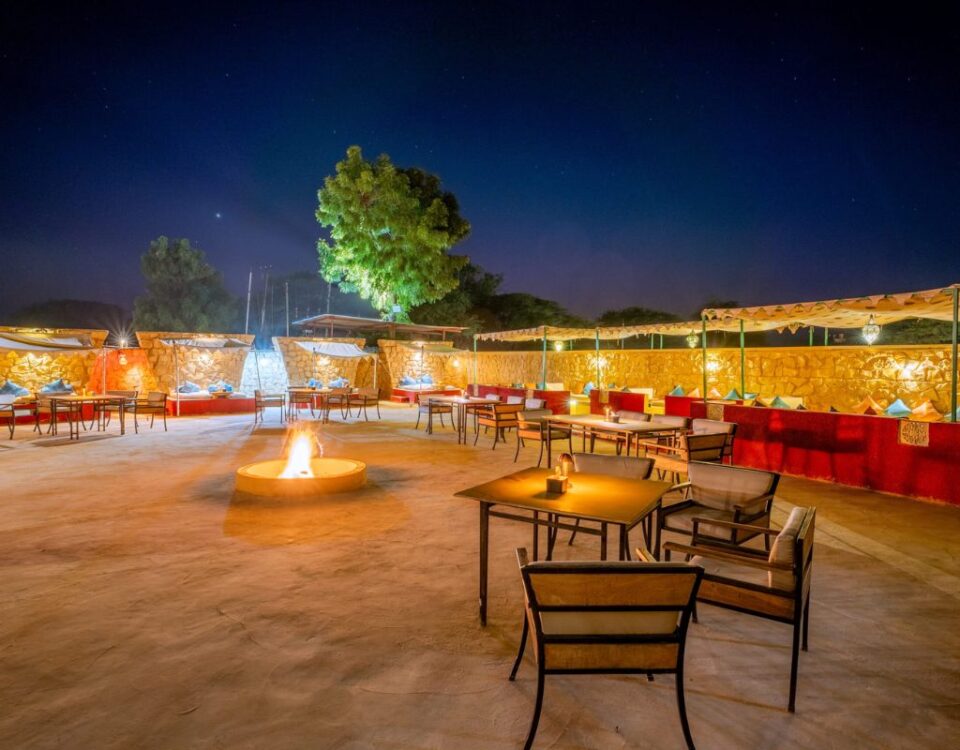
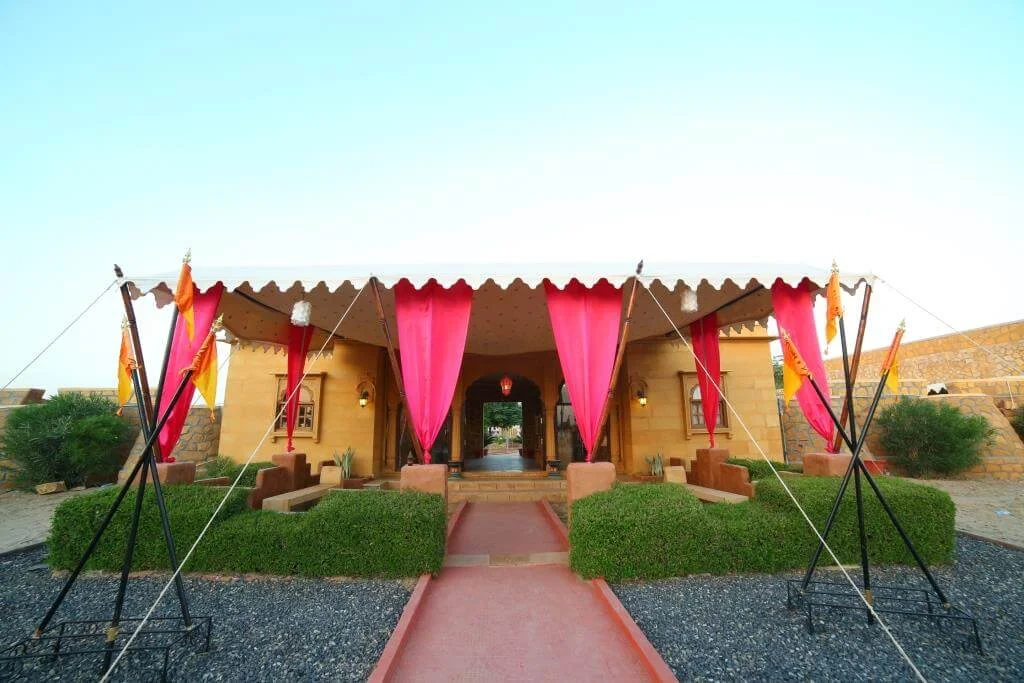
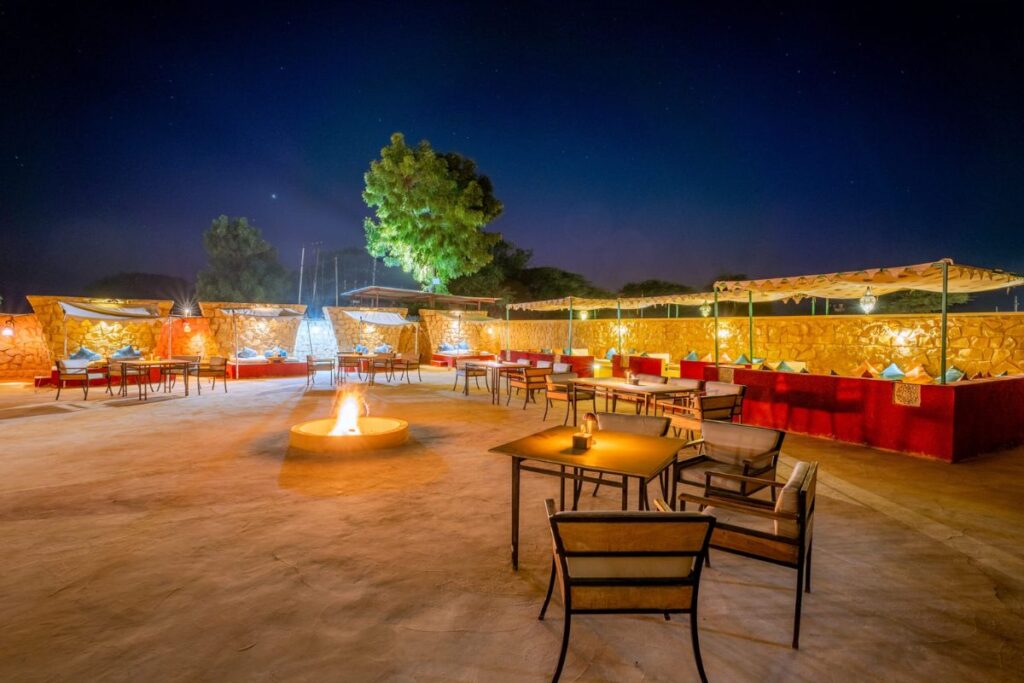
Located in the historic part of the city, the haveli attracts history enthusiasts, photographers, architecture lovers, and travellers interested in exploring Rajasthan’s heritage. After exploring the city’s architectural wonders, visitors can extend their trip with a memorable Desert Camp in Jaisalmer, where they can experience camel safaris, traditional Rajasthani folk performances, and peaceful evenings surrounded by the golden sand dunes. Its impressive design and fascinating background make Patwon Ki Haveli an important stop during a Jaisalmer sightseeing tour.
Patwon Ki Haveli History and Historical Significance
Understanding the Patwon Ki Haveli History helps visitors appreciate the cultural and economic development of Jaisalmer during the nineteenth century. The complex was commissioned in 1805 by Guman Chand Patwa, a wealthy merchant associated with the trade of valuable goods, including gold, silver, and other commodities.
Rather than being a single mansion, the complex consists of five interconnected havelis. Construction continued over several decades, with different sections developed for members of the Patwa family. The buildings reflected the family’s prosperity and demonstrated the remarkable skills of local craftsmen.
During that period, Jaisalmer was an important trading centre because of its location along historic routes connecting different regions of India with Central Asia and other markets. Successful merchants invested their wealth in grand residences that represented their social position and business achievements.
The haveli also illustrates how merchant families influenced the city’s architecture and cultural identity. Although the complex has experienced changes over time, its surviving carvings, paintings, and decorative interiors preserve valuable evidence of the region’s artistic traditions.
Today, visitors can explore accessible sections of the complex and discover historical objects that provide insights into traditional living arrangements, craftsmanship, and the heritage of Jaisalmer.
Architectural Beauty and Unique Design
The architecture is one of the biggest reasons travellers visit this historic landmark. Built primarily from locally available yellow sandstone, the structure blends beautifully with the golden appearance of Jaisalmer’s old city.
The exterior walls feature intricate carvings, decorative arches, and finely designed windows. These details demonstrate the patience and precision of artisans who transformed sandstone into elaborate architectural artwork.
Intricate Stone Carvings
The carved walls are among the most impressive features of the haveli. Floral patterns, geometric designs, and decorative motifs appear across different sections of the building. Each detail reflects the artistic traditions that developed in Rajasthan over generations.
Visitors should take time to observe the craftsmanship closely rather than simply walking through the complex. Small decorative elements around windows, doorways, and pillars reveal the extraordinary attention given to the building’s design.
Beautiful Jharokhas and Balconies
Jharokhas, or traditional projecting balconies, give the haveli its distinctive appearance. Their delicate stone latticework adds elegance while allowing air to circulate through the building.
These balconies also provided privacy and enabled residents to observe activities taking place in the streets below. Their combination of practical function and decorative beauty demonstrates the thoughtful design of traditional Rajasthani architecture.
Interiors, Paintings, and Mirror Work
Inside the accessible sections, visitors may find decorative pillars, historic objects, paintings, and examples of mirror work. These elements help illustrate the artistic preferences and lifestyle of wealthy merchant families.
The interiors complement the exterior architecture and provide a more complete understanding of how these residences functioned as both private homes and symbols of prosperity.
Patwon Ki Haveli Timings and Best Time to Visit
Checking Patwon Ki Haveli Timings before starting your sightseeing tour can help you plan your visit comfortably. Official tourism information lists opening hours of approximately 9:00 AM to 5:00 PM, although schedules may vary depending on the section being visited and local arrangements.
It is advisable to confirm the current timings before travelling, particularly during public holidays or special events.
The best time to explore the haveli is generally between October and March, when the weather in Jaisalmer is more comfortable for walking around historic streets and outdoor attractions.
Morning visits are often suitable for travellers who prefer a quieter experience. The softer light also helps highlight the golden sandstone and intricate carvings. Late afternoon can be another attractive time for photography, provided there is enough time to explore before closing.
During summer, temperatures can become extremely high. Visitors should carry drinking water, wear comfortable footwear, and avoid spending extended periods outdoors during the hottest part of the day.
Patwon Ki Haveli Entry Fee and Visitor Information
Before visiting, travellers should check the latest Patwon Ki Haveli Entry Fee to understand the cost of exploring the accessible museum sections. Ticket prices can vary depending on the visitor category, applicable charges, and current management arrangements.
Some online travel guides publish different prices, so it is better to confirm the amount at the official ticket counter instead of relying entirely on older information.
Visitors should also ask whether photography is permitted and whether separate camera charges apply. Rules may differ between areas of the complex, especially where historical displays or private premises are involved.
A typical visit may take around 45 minutes to an hour, depending on your interest in architecture, historical exhibits, and photography. Travellers who enjoy heritage buildings may want to allow additional time to examine the decorative details.
For a more informative experience, consider hiring a knowledgeable local guide. A guide can explain the historical context, identify architectural features, and share stories about the merchant community that shaped Jaisalmer.
Respect the building by avoiding contact with delicate displays, following photography restrictions, and keeping the historic premises clean.
Places to Visit in Jaisalmer Near Patwon Ki Haveli
Exploring other attractions nearby can make your trip more enjoyable. Several historic landmarks, cultural locations, and scenic spots can be included in the same sightseeing itinerary.
Jaisalmer Fort
Jaisalmer Fort, also called Sonar Qila, is one of the city’s most recognisable landmarks. Its golden sandstone walls rise above the surrounding town, while narrow lanes inside contain homes, temples, shops, and traditional businesses.
Visitors can explore its historic streets, admire traditional architecture, and enjoy views across the Golden City. The fort is an excellent addition to a heritage-focused itinerary.
Salim Singh Ki Haveli
Salim Singh Ki Haveli is another remarkable historic mansion known for its distinctive balconies and unusual roof design. Its architectural details offer an interesting comparison with Patwon Ki Haveli.
Visiting both buildings helps travellers understand the variety of residential architecture that developed in Jaisalmer during earlier centuries.
Nathmal Ji Ki Haveli
Nathmal Ji Ki Haveli is celebrated for its detailed sandstone carvings and distinctive architectural features. The building is associated with two architect brothers whose work created an unusual combination of similarities and differences across its two sides.
It is a worthwhile stop for anyone interested in traditional craftsmanship and historic mansions.
Gadisar Lake
Gadisar Lake provides a peaceful contrast to the busy streets of the old city. The historic water reservoir is surrounded by temples, gateways, and attractive architectural structures.
Visitors can enjoy a leisurely walk, take photographs, and appreciate the lake’s atmosphere. The surrounding area is especially appealing when the weather is pleasant.
These attractions make it easy to create a varied itinerary combining history, architecture, photography, and local culture.
Travel Tips for Visiting Patwon Ki Haveli
A little preparation can make your heritage visit more comfortable and rewarding.
- Wear comfortable footwear: The old city has narrow lanes and uneven walking surfaces.
- Carry water: Staying hydrated is important, particularly during warmer months.
- Visit early: Morning sightseeing can offer more comfortable weather and opportunities for photographs.
- Respect local customs: Follow instructions around religious spaces, private areas, and museum displays.
- Ask before taking photographs: Some exhibits or sections may have specific photography rules.
- Explore nearby attractions: Combine the haveli with Jaisalmer Fort and other historic mansions to make better use of your sightseeing time.
- Keep some extra time: The intricate stonework deserves closer attention, so avoid rushing through the building.
Travellers visiting Jaisalmer for the first time can also explore traditional markets for handicrafts, textiles, leather products, and regional souvenirs.
Conclusion
Patwon Ki Haveli is an important part of Jaisalmer’s architectural and cultural heritage. Its interconnected mansions, finely carved sandstone, elegant balconies, and historical exhibits offer a fascinating glimpse into the prosperity and artistic traditions of nineteenth-century merchant families.
Whether you are interested in history, photography, architecture, or local culture, this landmark deserves a place on your Rajasthan travel itinerary. After exploring the city’s heritage attractions, visitors can explore Desert Camp Packages in Jaisalmer to enjoy camel safaris, jeep rides, traditional Rajasthani folk performances, and overnight stays in the Thar Desert. By checking the latest visiting hours and ticket information in advance, you can plan a smoother experience.
Along with Jaisalmer Fort, Salim Singh Ki Haveli, Nathmal Ji Ki Haveli, and Gadisar Lake, it helps make a heritage tour of the Golden City memorable. Take your time exploring its intricate details and discover the craftsmanship that continues to make Jaisalmer a distinctive destination.