Rajasthani Folk Music and Cultural Programs in Jaisalmer

Camel Ride in Jaisalmer: A Complete Guide to the Desert Experience
September 18, 2026
Jaisalmer Night Camping: Desert Stay and Travel Guide
October 2, 2026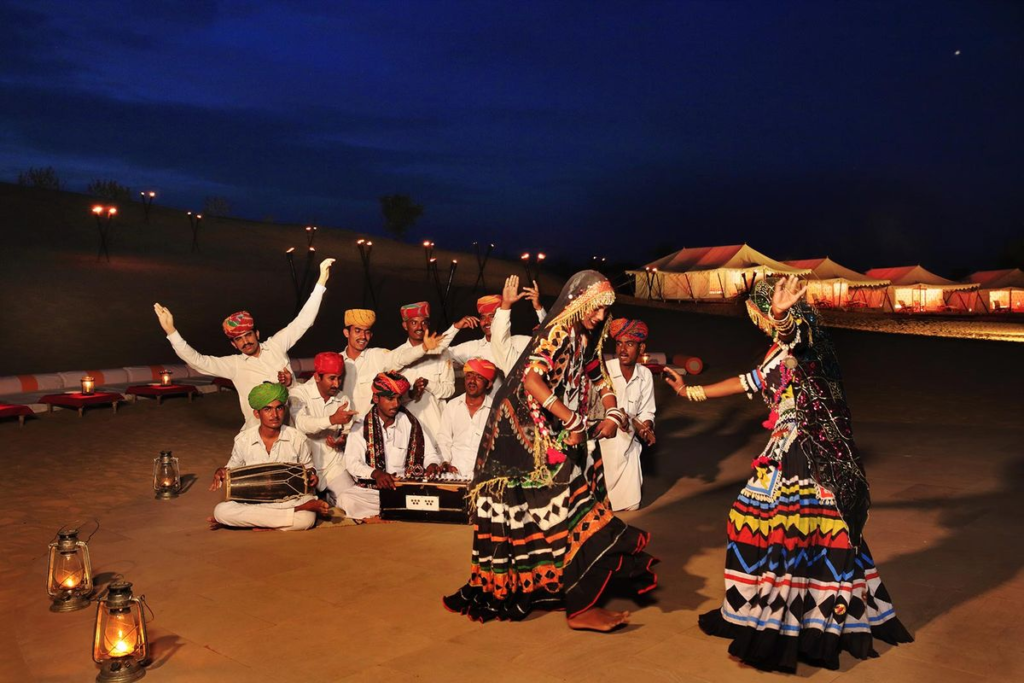
Jaisalmer is widely known for its golden architecture, desert landscapes, historic forts, and traditional Rajasthani hospitality. However, the city becomes even more memorable when travelers experience its music, dance, and cultural traditions. A desert evening filled with live performances can offer a closer look at the artistic heritage of Rajasthan.
For many visitors, rajasthani folk music in jaisalmer is an important part of experiencing the local culture. Traditional instruments, soulful singing, colorful costumes, and energetic dance performances create an atmosphere that reflects the history and lifestyle of the region. These cultural experiences can be enjoyed at a Desert Camp in Jaisalmer, heritage properties, and selected cultural venues across Jaisalmer.
Understanding Jaisalmer’s Folk Culture
Jaisalmer lies in the heart of the Thar Desert, where music and storytelling have traditionally played an important role in community life. Folk performers have preserved songs, melodies, and dance forms through generations, often using music to tell stories about local traditions, love, bravery, celebrations, and everyday life.
The desert environment has also influenced the character of local performances. Simple but distinctive instruments, rhythmic beats, and powerful vocals make the music recognizable. Visitors can experience this heritage through organized jaisalmer cultural programs, particularly during evening events.
These programs are not simply entertainment shows. They provide an opportunity to understand how Rajasthan’s artistic traditions have remained connected to local communities.
Traditional Instruments Used in Folk Performances
Traditional instruments are one of the most interesting elements of Rajasthani performances. Musicians may use instruments such as the kamayacha, algoza, dholak, khartal, morchang, and sarangi.
The kamayacha is a string instrument associated with the Manganiyar musical tradition. Its deep and distinctive sound can create a strong emotional quality during performances. The khartal, made from wooden pieces, provides rhythmic accompaniment, while the dholak adds energetic beats.
The algoza consists of two wooden flutes played together and produces a characteristic folk sound. The morchang, a small mouth harp, can also contribute unusual rhythmic tones to traditional performances.
Together, these instruments create the musical atmosphere that visitors often associate with Rajasthan’s desert culture.
Popular Folk Dance Performances in Jaisalmer
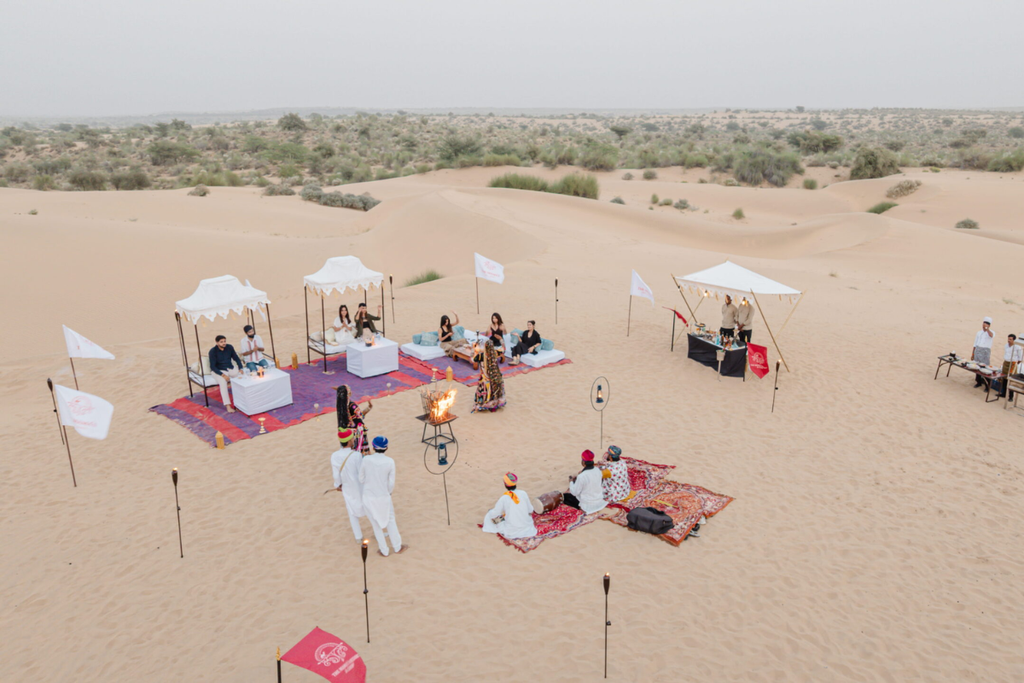
Dance is another major attraction during cultural evenings. Performers often wear colorful traditional clothing decorated with mirrors, embroidery, and other regional designs. Their movements are accompanied by live music and rhythmic percussion.
One of the best-known forms is Kalbelia dance, recognized for its graceful movements and distinctive costumes. Ghoomar is another popular Rajasthani dance style, traditionally performed by women in flowing garments.
Visitors may also encounter other regional folk performances depending on the venue and program. Each style has its own movements, music, costumes, and cultural background.
Watching jaisalmer folk dance and music together gives travelers a more complete understanding of the relationship between rhythm, storytelling, costume, and community traditions.
What to Expect From Cultural Programs
A typical cultural evening may begin with musicians performing traditional songs before moving into dance performances. Some programs may include storytelling, puppet shows, devotional music, or demonstrations of regional traditions.
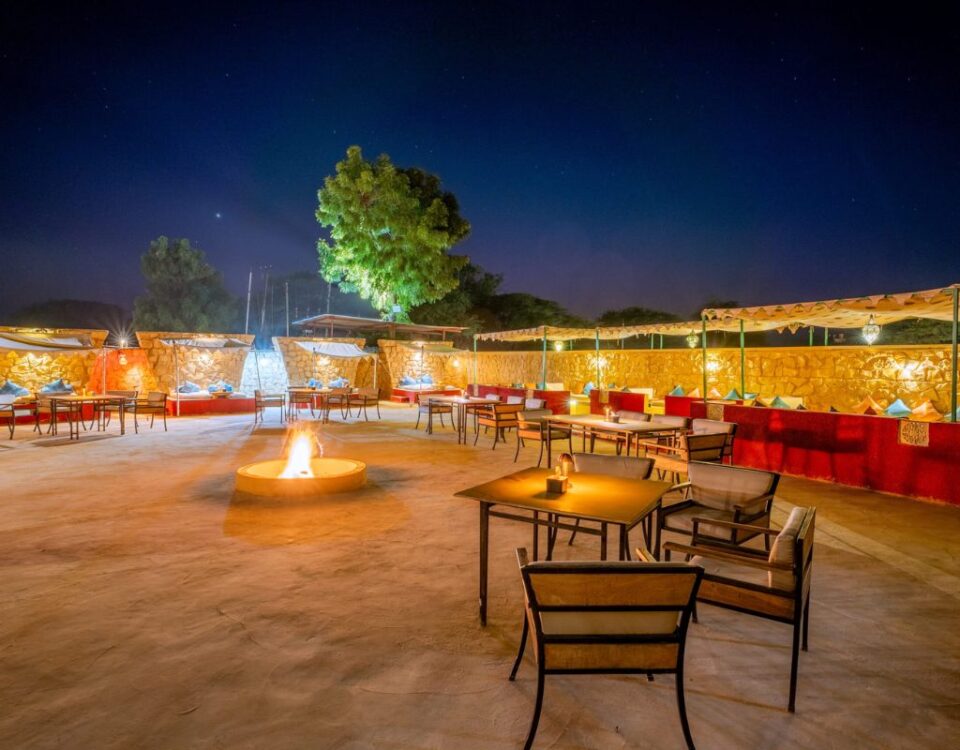
The atmosphere can vary depending on the venue. Desert camps often organize performances around outdoor seating areas, sometimes accompanied by dinner featuring traditional Rajasthani dishes. Heritage properties may provide a more intimate setting, while larger venues can accommodate groups and organized tours.
The length of each performance can also differ. Some programs may last less than an hour, while others continue throughout an evening with several acts.
If you are planning to attend rajasthani cultural shows in jaisalmer, checking the schedule beforehand is useful because performances may vary according to the season, venue, and number of visitors.
Best Time to Experience Folk Music
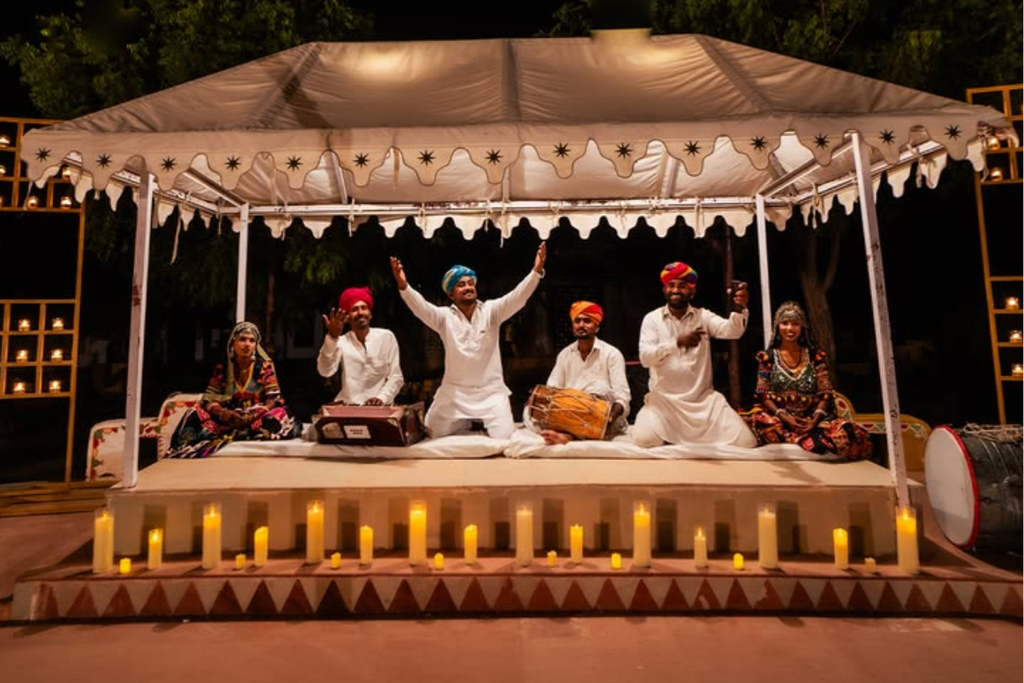
Evenings are generally the most suitable time for cultural performances in Jaisalmer. During the warmer months, daytime temperatures can be high, making evening activities more comfortable.
The desert atmosphere can become especially appealing after sunset. Cooler temperatures, open surroundings, traditional lighting, and live music can create a memorable experience.
Winter is particularly popular for tourism in Jaisalmer because the weather is more comfortable for outdoor activities. Travelers visiting between October and March can often combine cultural programs with desert excursions, sightseeing, and overnight camping.
It is still advisable to check the exact performance schedule before making plans because individual venues may have different operating calendars.
Cultural Programs at Desert Camps
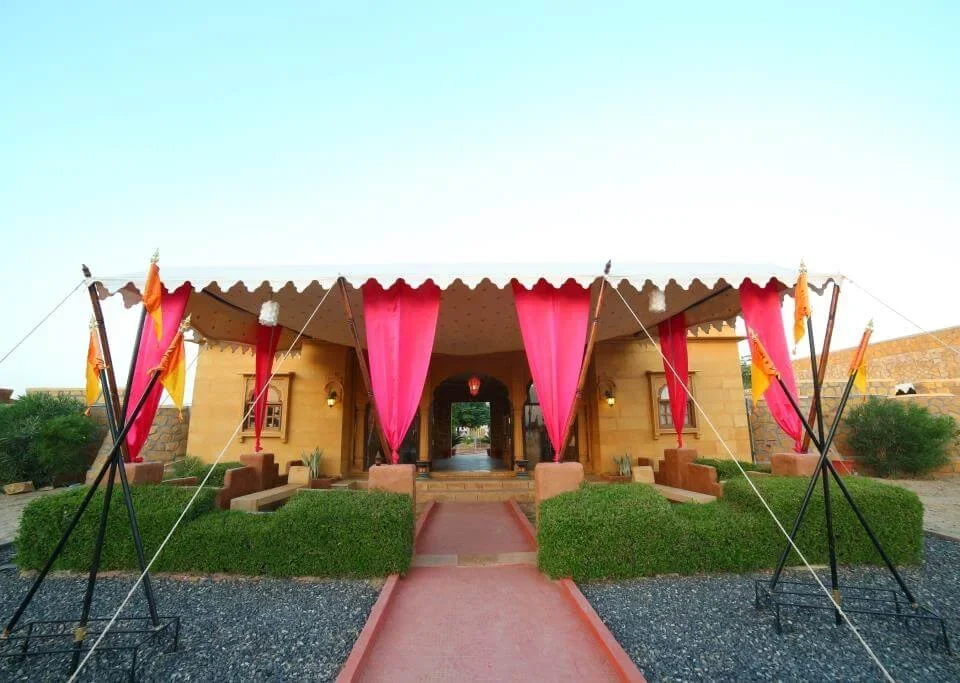
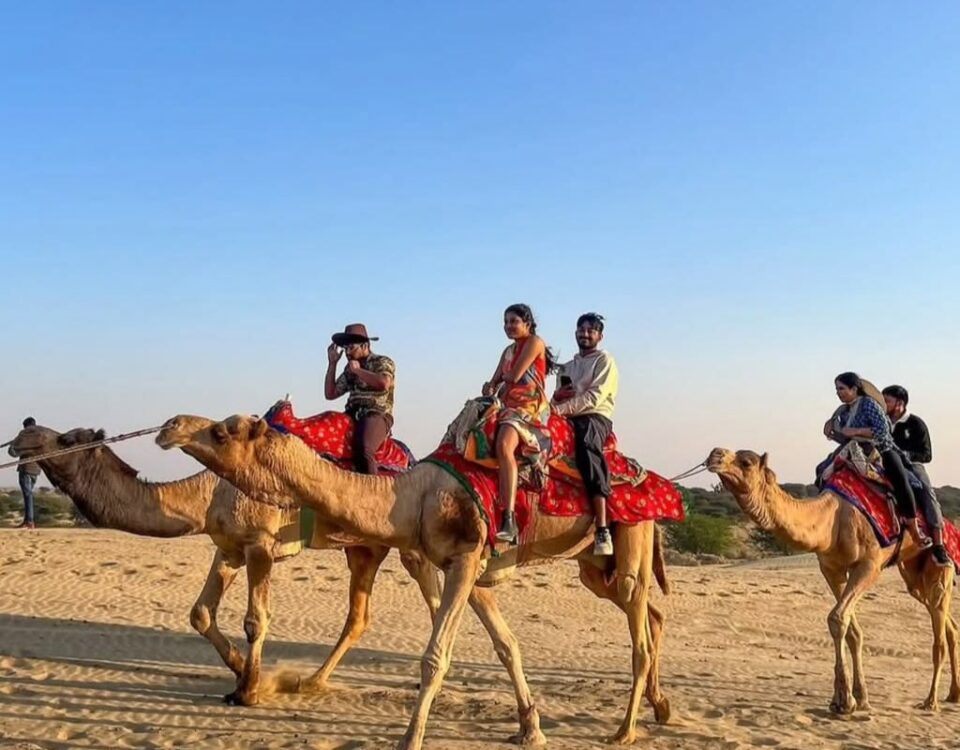
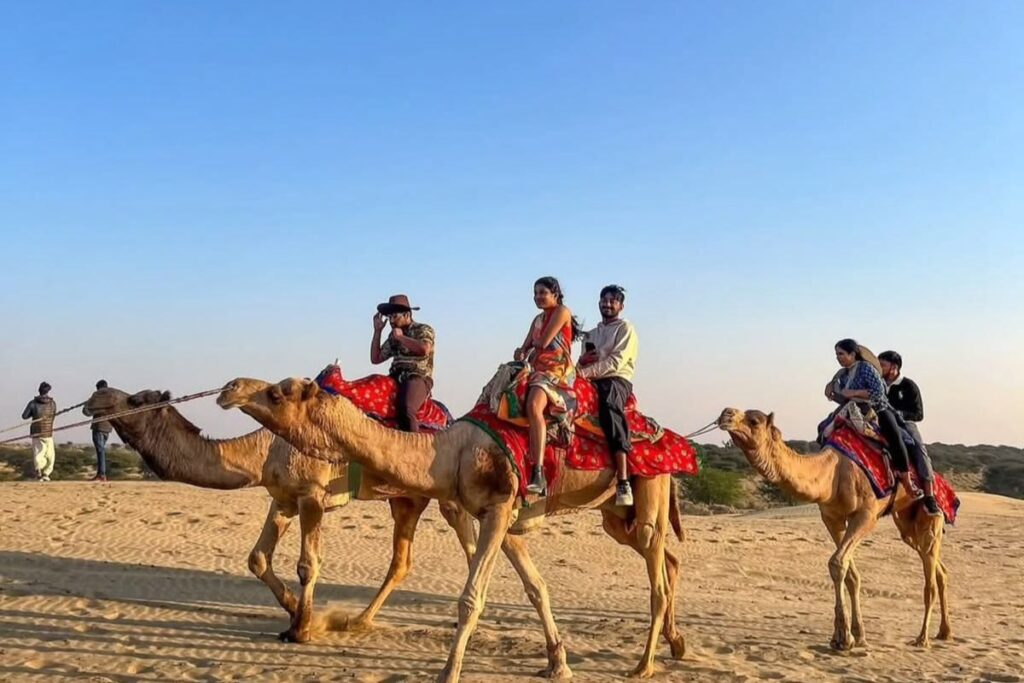
Desert camps near Jaisalmer are among the most common places to experience local performances. After activities such as camel rides or jeep safaris, visitors can spend the evening watching musicians and dancers.
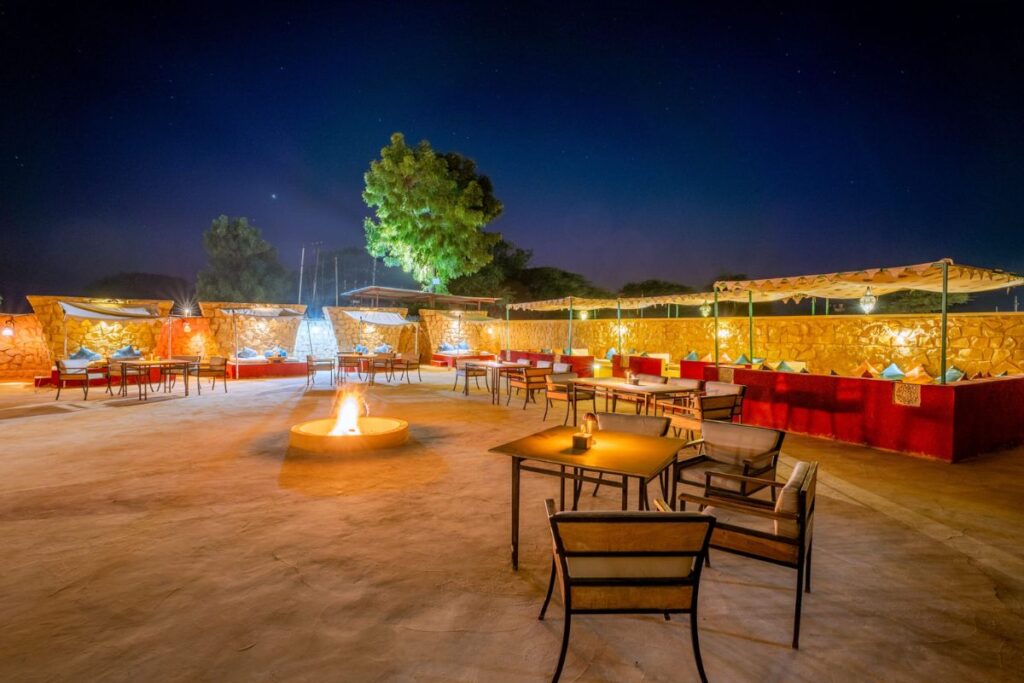
A typical camp experience may include folk music, dance, dinner, and time around a bonfire. Some camps organize performances in open courtyards or specially prepared areas where guests can sit comfortably.
The combination of desert scenery and traditional music and dance in jaisalmer makes these evenings particularly attractive to travelers who want more than conventional sightseeing.
When selecting a desert camp, it is worth checking what is included in the package. Some camps provide cultural programs as part of an overnight stay, while others may have separate arrangements.
Cultural Shows and Local Food
Food can be another important part of a cultural evening. Traditional Rajasthani dishes may include dal baati churma, gatte ki sabzi, ker sangri, bajra roti, and other regional preparations.
Enjoying local food while listening to folk musicians can make the experience more connected to Rajasthan’s traditions. However, food menus differ between venues, so visitors with specific dietary requirements should confirm available options in advance.
The combination of food, music, dance, and storytelling also makes cultural programs suitable for families and groups looking for an evening activity.
Tips for Enjoying a Cultural Evening
A little preparation can make the experience more comfortable and enjoyable.
Check the schedule: Confirm the performance time and duration before visiting.
Dress comfortably: Evening temperatures in the desert can become cooler, especially during winter. Carrying a light layer can be useful.
Arrive early: Reaching the venue before the performance begins can help you find suitable seating and avoid missing the opening acts.
Respect performers: Avoid interrupting performances or using flash photography when it may disturb artists.
Learn about the traditions: Understanding the background of a dance or instrument can make the performance more meaningful.
Carry essentials: For desert venues, comfortable footwear, water, and a light jacket can be useful depending on the season.
Why Folk Music Is Important to Jaisalmer
Folk music represents more than a tourist attraction. It is an important part of Rajasthan’s cultural heritage and provides a way for traditional artistic knowledge to continue reaching new generations.
Musicians and performers preserve regional melodies, instruments, stories, costumes, and dance forms through their work. Cultural programs also create opportunities for visitors to interact with these traditions in a respectful and accessible setting.
For travelers, attending a performance can provide a different perspective on Jaisalmer. Instead of seeing the city only through monuments and desert activities, visitors can discover the artistic traditions that have developed alongside life in the Thar Desert.
Planning Your Jaisalmer Cultural Experience
A cultural evening can easily be included in a wider Jaisalmer itinerary. Travelers may spend the morning exploring the Golden Fort and historic streets, visit attractions such as Patwon Ki Haveli during the day, and head toward the desert in the afternoon.
After sunset, a folk performance can provide a relaxing way to finish the day. Those staying overnight at a desert camp can combine the show with dinner and other cultural activities.
Visitors who prefer city-based accommodation can also look for cultural performances at hotels, heritage properties, and local venues.
Whether you choose a desert camp or a city venue, rajasthani folk music in jaisalmer can add a cultural dimension to your Rajasthan journey.
Final Thoughts
Jaisalmer offers travelers many ways to explore Rajasthan, from historic architecture and desert landscapes to traditional food, music, and dance. Cultural programs provide an opportunity to experience the artistic side of the region in a lively and memorable setting.
From soulful instrumental performances to energetic dances, every element can help visitors understand the traditions of the Thar Desert. Desert Camp Packages in Jaisalmer can also include cultural evenings where guests enjoy folk music, traditional dance, local cuisine, and the peaceful atmosphere of the desert.
For anyone planning a trip to the Golden City, including a folk music and cultural performance in the itinerary can make the journey more diverse and meaningful.